

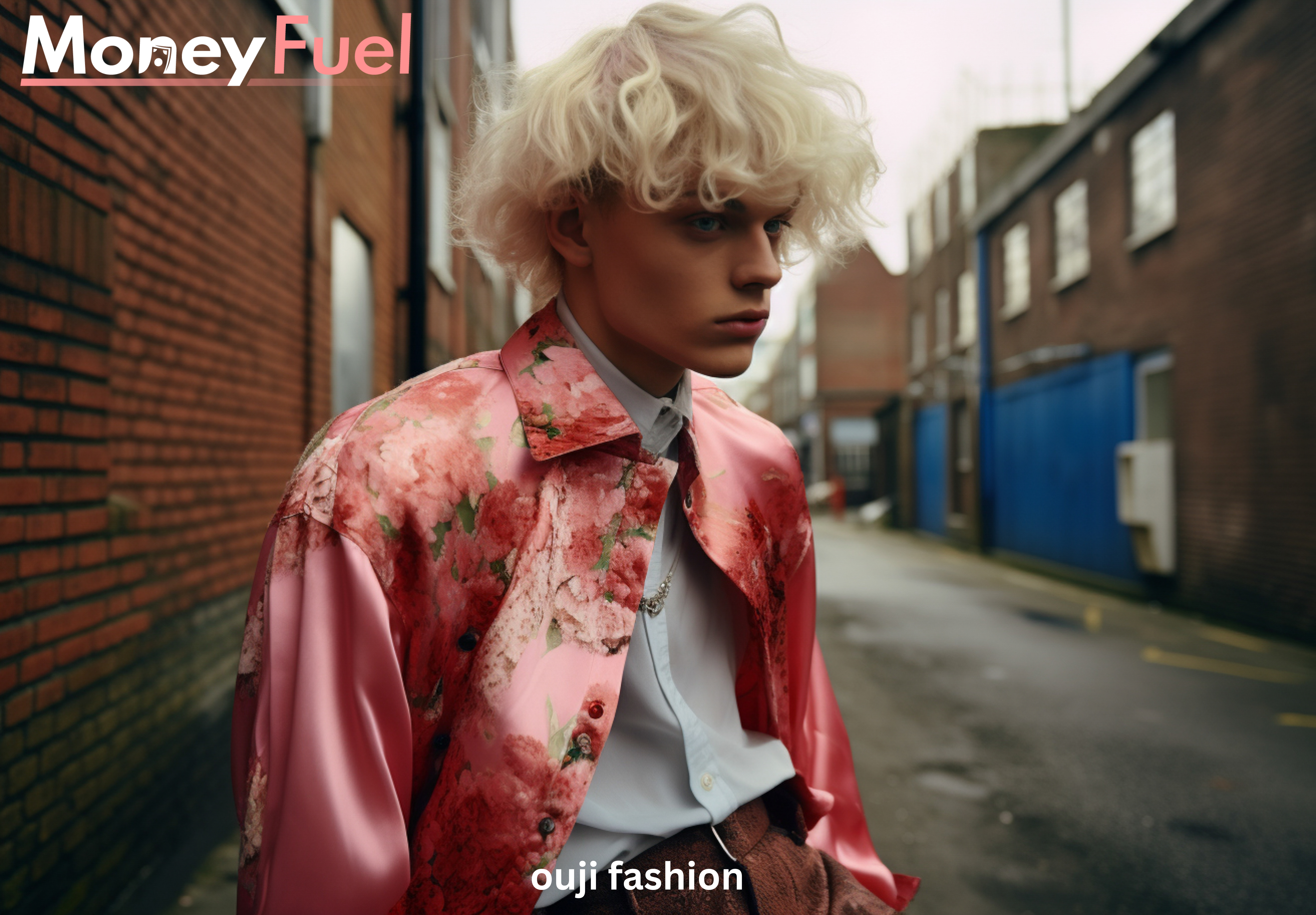
In today’s ever-evolving fashion world, Ouji Fashion has emerged as a distinctive style statement that combines traditional Japanese aesthetics with modern, edgy design. Known for its bold silhouettes, meticulous tailoring, and unique layering techniques, Ouji Fashion appeals to those who seek individuality, creativity, and sophistication in their wardrobe. As fashion enthusiasts increasingly look beyond mainstream trends, Ouji Fashion provides a refreshing alternative that emphasizes personal expression without compromising elegance. Whether you’re a beginner exploring Japanese fashion or a seasoned style connoisseur, understanding the essence of Ouji Fashion is crucial to mastering this striking sartorial movement.
The Origins of Ouji Fashion
Ouji Fashion, sometimes referred to as “prince style,” traces its roots to Japanese street fashion, particularly the elaborate subcultures that developed in Harajuku during the 1990s. This style draws inspiration from historical European aristocratic attire, blending it with modern Japanese sensibilities. The name “Ouji,” meaning “prince” in Japanese, reflects the regal and refined aesthetics central to the style, including fitted jackets, ruffled blouses, tailored pants, and accessories like cravats, hats, and brooches. Over the decades, Ouji Fashion has evolved from a niche subculture to a globally recognized style embraced by fashion-forward individuals seeking sophistication paired with a touch of theatricality.
Key Elements That Define Ouji Fashion
One of the most distinctive features of Ouji Fashion is its emphasis on structure and layering. Clothing pieces are carefully chosen to create a harmonious yet dramatic look. Tailored jackets often serve as the centerpiece, while accessories and embellishments enhance the outfit’s uniqueness. Fabrics range from soft velvets and cotton blends to luxurious brocades, creating depth and texture. Color palettes frequently include muted shades, pastels, and classic monochromes, though bold colors are occasionally incorporated to highlight statement pieces. Accessories like lace gloves, decorative hats, and ornate jewelry are not merely add-ons—they are integral to achieving the signature Ouji appearance.
Another defining aspect is the attention to detail. Buttons, embroidery, pleats, and lace trims are meticulously applied to create outfits that are both intricate and cohesive. Unlike fast fashion, Ouji Fashion prioritizes craftsmanship and individuality, encouraging wearers to experiment with combinations that reflect their personal style while maintaining an elegant, princely demeanor.
Ouji Fashion in Contemporary Wardrobes
Modern Ouji Fashion is versatile and adaptable. While traditionally associated with elaborate, almost theatrical outfits, contemporary interpretations allow for subtler, everyday wear. For instance, a classic Ouji-inspired blazer paired with tailored trousers or a ruffled blouse with simple accessories can create a stylish yet wearable look suitable for casual or professional settings. Fashion designers and enthusiasts often mix Ouji pieces with other styles, such as minimalist streetwear or casual chic, creating hybrid outfits that are both distinctive and approachable.
The global influence of Ouji Fashion is growing. Social media platforms, fashion blogs, and online communities have made it easier for enthusiasts worldwide to explore, share, and adopt the style. This exposure has also inspired adaptations in various cultures, allowing Ouji Fashion to transcend its Japanese roots while preserving its core aesthetic principles.
Styling Tips for Mastering Ouji Fashion
Mastering Ouji Fashion requires more than simply wearing specific garments—it involves understanding proportions, textures, and the art of layering. Begin by selecting one statement piece, such as a tailored coat or embroidered vest, and build the outfit around it. Balance ornate elements with simpler clothing to avoid overwhelming the overall look. Accessories should complement rather than dominate the outfit, highlighting key details without creating clutter. Footwear plays a critical role; polished leather boots or decorative shoes enhance the aristocratic vibe.
Color coordination is essential. Ouji Fashion often favors harmonized palettes, using neutral or pastel tones to create a cohesive appearance. However, strategic pops of color, like a vibrant scarf or hat, can draw attention to focal points of the ensemble. Attention to grooming and posture is also important—Ouji Fashion embodies confidence, poise, and sophistication, making the wearer’s demeanor as vital as the clothing itself.
The Cultural Significance of Ouji Fashion
Ouji Fashion is more than just clothing—it represents a philosophy of self-expression and individuality. In a society often dominated by conformity, this style allows wearers to convey their personality and taste uniquely and elegantly. Its blend of historical inspiration and modern innovation showcases how fashion can serve as both art and identity. Additionally, Ouji Fashion has influenced other Japanese subcultures, such as Lolita and Visual Kei, highlighting its role in shaping contemporary alternative fashion scenes.
By embracing elements of Ouji Fashion, individuals celebrate creativity, craftsmanship, and cultural fusion. This fashion trend also fosters a sense of community among enthusiasts, who often share styling tips, coordinate themed events, and collaborate on creative projects. Through these interactions, Ouji Fashion transcends mere aesthetics, becoming a lifestyle that values artistry and personal expression.
Where to Find Ouji Fashion Pieces
Finding authentic Ouji Fashion pieces requires a mix of online and in-person exploration. Specialty Japanese fashion boutiques, secondhand stores, and online marketplaces cater specifically to Ouji enthusiasts. Brands that focus on Lolita or Harajuku-inspired designs often feature Ouji-style garments, including blouses, coats, skirts, and accessories. When purchasing, consider quality, fit, and authenticity. Investing in well-made pieces ensures longevity and allows for creative styling across multiple outfits.
For beginners, online forums and social media groups dedicated to Japanese fashion provide valuable insights into styling, sourcing, and maintaining Ouji outfits. Tutorials, lookbooks, and influencer content can help enthusiasts understand layering techniques, accessorizing, and outfit coordination, making the adoption of Ouji Fashion more accessible and enjoyable.
Ouji Fashion and Sustainability
A notable advantage of Ouji Fashion is its alignment with sustainable fashion practices. Many enthusiasts prefer high-quality, long-lasting garments over disposable fast fashion, encouraging conscious consumption. The style’s emphasis on layering and versatility allows individual pieces to be reused and repurposed in multiple outfits, reducing waste. Additionally, the popularity of secondhand and vintage Ouji pieces contributes to a more sustainable fashion ecosystem, blending style with responsibility.
Conclusion
Ouji Fashion is more than a trend—it is a cultural phenomenon that celebrates elegance, individuality, and creativity. Its rich historical roots, distinctive aesthetic, and versatility make it appealing to fashion enthusiasts seeking a unique expression of style. From meticulous tailoring and detailed accessories to innovative layering and thoughtful color coordination, Ouji Fashion embodies sophistication and artistic expression. Whether embraced as an everyday wardrobe choice or a statement-making ensemble for special occasions, Ouji Fashion continues to inspire individuals worldwide, redefining modern style with charm and refinement. By exploring and adopting this unique fashion subculture, wearers not only make a visual impact but also become part of a global movement that values artistry, personal expression, and cultural appreciation.
FAQs About Ouji Fashion
1. What is the core philosophy behind Ouji Fashion?
Ouji Fashion emphasizes elegance, individuality, and artistic expression, drawing inspiration from European aristocratic attire combined with Japanese aesthetics.
2. Can Ouji Fashion be worn casually?
Yes, contemporary interpretations allow for subtle, wearable looks, such as tailored blazers or ruffled blouses paired with simpler garments.
3. Where can I buy authentic Ouji Fashion pieces?
Specialty Japanese boutiques, online marketplaces, and secondhand stores often carry authentic Ouji-style garments and accessories.
4. How important are accessories in Ouji Fashion?
Accessories are integral, enhancing the outfit’s elegance and completing the signature “prince-style” appearance without overpowering the ensemble.
5. Is Ouji Fashion sustainable?
Yes, its focus on high-quality, long-lasting pieces and layering techniques promotes sustainability and reduces reliance on fast fashion.
Read Also : Ouji Fashion: Redefining Modern Style with Elegance and Innovation
