

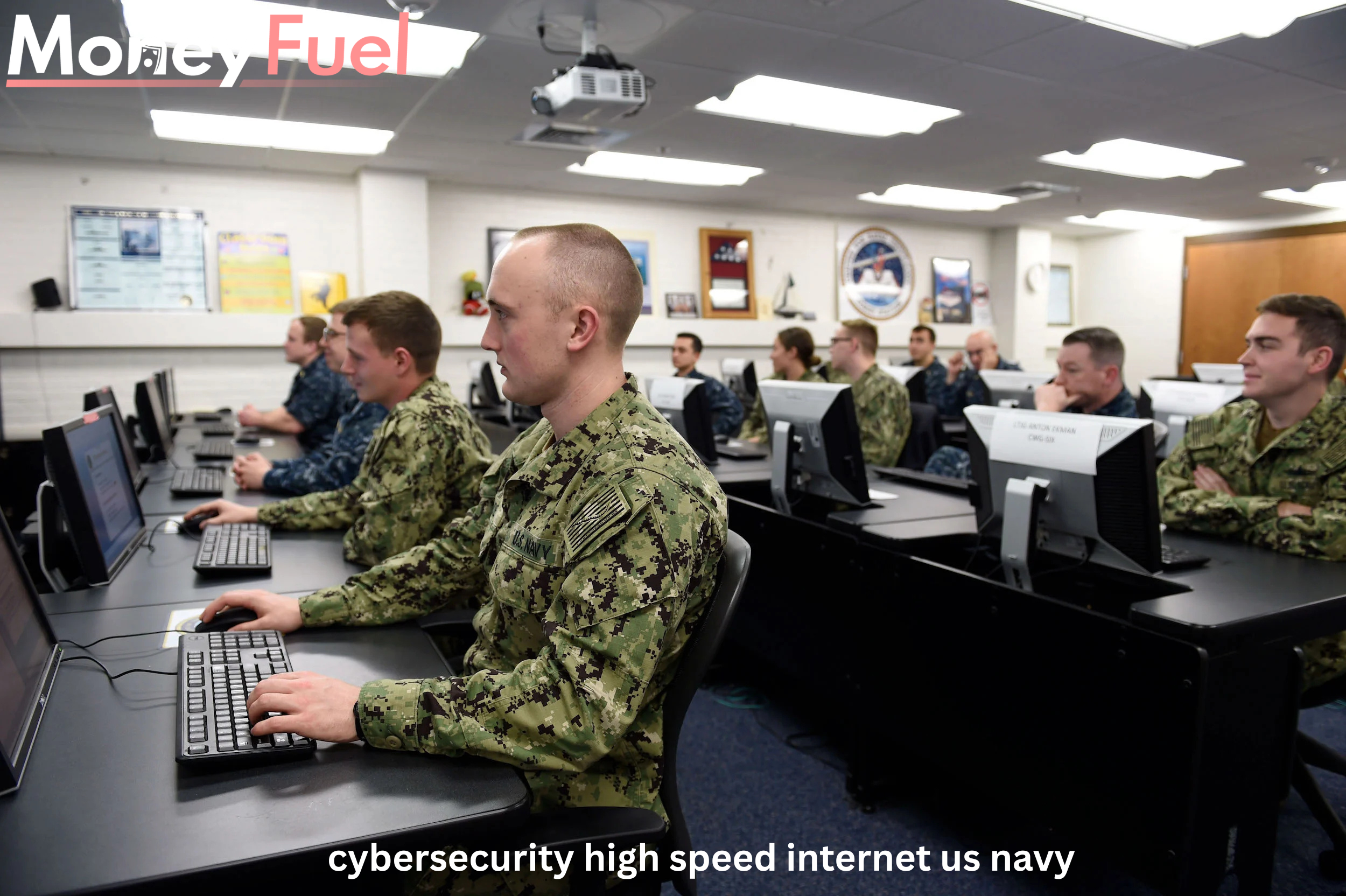
The topic of cybersecurity high speed internet US Navy has gained enormous importance as digital warfare, data-driven missions, and real-time communication shape modern military strategy. In today’s fast-evolving defense landscape, the US Navy depends on secure, ultra-fast connectivity to operate ships, submarines, aircraft, drones, and command centers around the world. Within the first hundred words, it becomes clear that cybersecurity and high-speed internet are no longer optional—they form the backbone of naval readiness, maritime defense, and global operations. Understanding how the Navy blends military-grade cybersecurity with advanced high-speed networks helps explain how modern naval power functions in the digital age.
The Rising Importance of Cybersecurity High Speed Internet US Navy Systems
The US Navy operates across thousands of miles of ocean where speed, accuracy, and data integrity determine mission outcomes. This makes cyber-secure, high-speed internet systems essential for everything from real-time intelligence sharing to managing modern autonomous platforms. As threats shift from purely physical encounters to digital intrusions, the Navy has increased investments in network architecture that can identify, block, and respond to cyberattacks in milliseconds. These systems must be strong enough to counter nation-state hackers, espionage groups, and increasingly advanced digital weapons targeting critical naval operations.
How High-Speed Internet Enables Navy Operations Worldwide
High-speed connectivity connects the Navy’s distributed fleet and ensures that information flows continuously between command units and deployed forces. Without fast and secure networks, vital mission data would lag, putting sailors, assets, and national security at risk. High-speed internet enables everything from GPS-guided navigation to satellite-based targeting systems. Aircraft carriers, destroyers, and submarines rely on rapid data transmission to track threats, run onboard systems, and coordinate multi-ship missions. High-speed connectivity also enhances everyday operations, such as communicating with allied forces, managing logistics, and detecting irregular digital behavior that may signal a cyber threat.
Cybersecurity High Speed Internet US Navy: Protecting Against Modern Cyber Threats
A dedicated focus on cybersecurity high speed internet US Navy infrastructure ensures that the Navy’s networks remain protected from hostile infiltration. Cyber threats against the military are increasing not only in frequency but in sophistication, with adversaries attempting to disrupt navigation, sabotage weapons systems, or access classified mission details. To counter these evolving dangers, the Navy uses layered cybersecurity models, including real-time monitoring, AI-driven threat detection, and encrypted systems designed to secure data even during unpredictable combat conditions. This integration of cybersecurity and high-speed signals demonstrates how deeply intertwined digital and traditional warfare have become.
The Role of Satellite and Undersea Networks in Naval Connectivity
The Navy’s high-speed internet structure draws heavily from advanced satellite systems and strategically placed undersea fiber-optic cables. Satellites allow ships at sea to maintain uninterrupted communication with global command centers, even in remote environments. Meanwhile, undersea networks offer high bandwidth and extremely low latency, enabling rapid data transfer over long distances. These systems operate with built-in cybersecurity features that detect anomalies, prevent unauthorized access, and restore connectivity in case of attempted breaches. The combination of satellite speed and undersea stability forms one of the most dependable and secure communication systems currently used by any military branch.
Integration of Artificial Intelligence in Cyber Defense
Artificial intelligence has become a central tool within the Navy’s cyber defense strategy. AI tools monitor high-speed internet networks, analyze millions of data points in real time, and identify digital behavior that may signal cyberattacks. Instead of waiting for human operators to detect intrusions, AI systems take proactive steps to isolate corrupted nodes, block malicious traffic, and quarantine suspicious data. This results in faster response times during missions where even a few seconds of delay could risk national security. The Navy’s adoption of AI also strengthens predictive defense, helping systems anticipate threats before they occur.
Cybersecurity High Speed Internet US Navy and Maritime Autonomous Systems
The US Navy increasingly employs autonomous vessels, drones, and underwater robots. These platforms depend entirely on secure, high-speed internet connections to receive commands, transmit data, and operate safely around manned ships. A breach in these networks could lead to hijacked drones, falsified data, or even hostile control of autonomous vessels. Ensuring cybersecurity for these high-speed networks is therefore essential not only for protecting classified information but also for preventing physical harm. As autonomous technology evolves, the Navy continues developing encryption, identity verification systems, and secure cloud-based solutions that keep these operations safe.
Enhancing Training and Simulation Through High-Speed Cyber Systems
Training for modern naval operations increasingly takes place in advanced simulation environments connected by high-speed networks. Cybersecurity ensures that these training systems remain safe from manipulation or sabotage. High-speed internet powers realistic digital battlefields, virtual ship controls, and immersive mission rehearsals. These environments allow sailors to practice complex operations without real-world risk and prepare for cyberattacks that mimic adversary tactics. Secure high-speed networks ensure that these simulations remain accurate, uncompromised, and ready for deployment in real combat scenarios.
The Future of Cybersecurity High Speed Internet US Navy Technology
The future of the Navy’s digital infrastructure will center on quantum encryption, AI-enabled cyber defense, 6G maritime networks, and enhanced satellite capabilities. These advancements promise near-instant communication across the globe with unprecedented levels of security. Quantum-based systems will make intercepted data unreadable, even by advanced foreign intelligence agencies. Meanwhile, next-generation high-speed internet will support the Navy’s growing fleet of autonomous platforms, advanced sensors, and global command systems. As the Navy modernizes, cybersecurity will remain the core principle guiding every technological upgrade.
Why This Technology Matters for National Security
The integrity of the cybersecurity high speed internet US Navy structure is essential for maintaining national defense. A vulnerable network could compromise missions, expose classified intelligence, or disrupt communication during critical moments. In the digital age, defending cyberspace is just as important as defending physical borders. By combining secure protocols with high-speed connectivity, the US Navy maintains a technological edge over adversaries while ensuring that its sailors and assets operate within the safest possible digital environment.
Conclusion
Cybersecurity combined with high-speed internet has become the technological backbone of the US Navy’s global operations. From AI-driven detection systems to advanced satellite networks, each component ensures that mission-critical data travels rapidly and safely across continents and oceans. These systems protect the Navy from increasingly complex cyberattacks, support autonomous technologies, enhance decision-making, and ensure maximum readiness during unpredictable global events. As warfare continues to evolve, the Navy’s reliance on secure and ultra-fast digital networks will only grow. Understanding the importance of cybersecurity high speed internet US Navy infrastructure offers insight into how modern defense operates and why digital superiority is central to national security.
FAQs
1. Why is cybersecurity important for the US Navy’s high-speed internet?
Cybersecurity prevents cyberattacks from disrupting naval missions, protecting sensitive data, weapons systems, and communication channels.
2. How does high-speed internet improve Navy mission performance?
It enables real-time data sharing, navigation accuracy, drone communication, and rapid decision-making during operations.
3. What technologies support the Navy’s global internet network?
The Navy uses satellites, undersea fiber cables, cloud systems, and AI-powered cybersecurity tools.
4. Does the Navy use AI for cyber defense?
Yes, AI systems monitor networks, detect anomalies, block threats, and predict cyberattacks before they happen.
5. How will future technology improve the Navy’s digital systems?
Quantum encryption, 6G maritime networks, and advanced satellites will make communication faster, safer, and more resilient.
Read Also : trwho.com tech: Navigating the Future of Digital Innovation
