

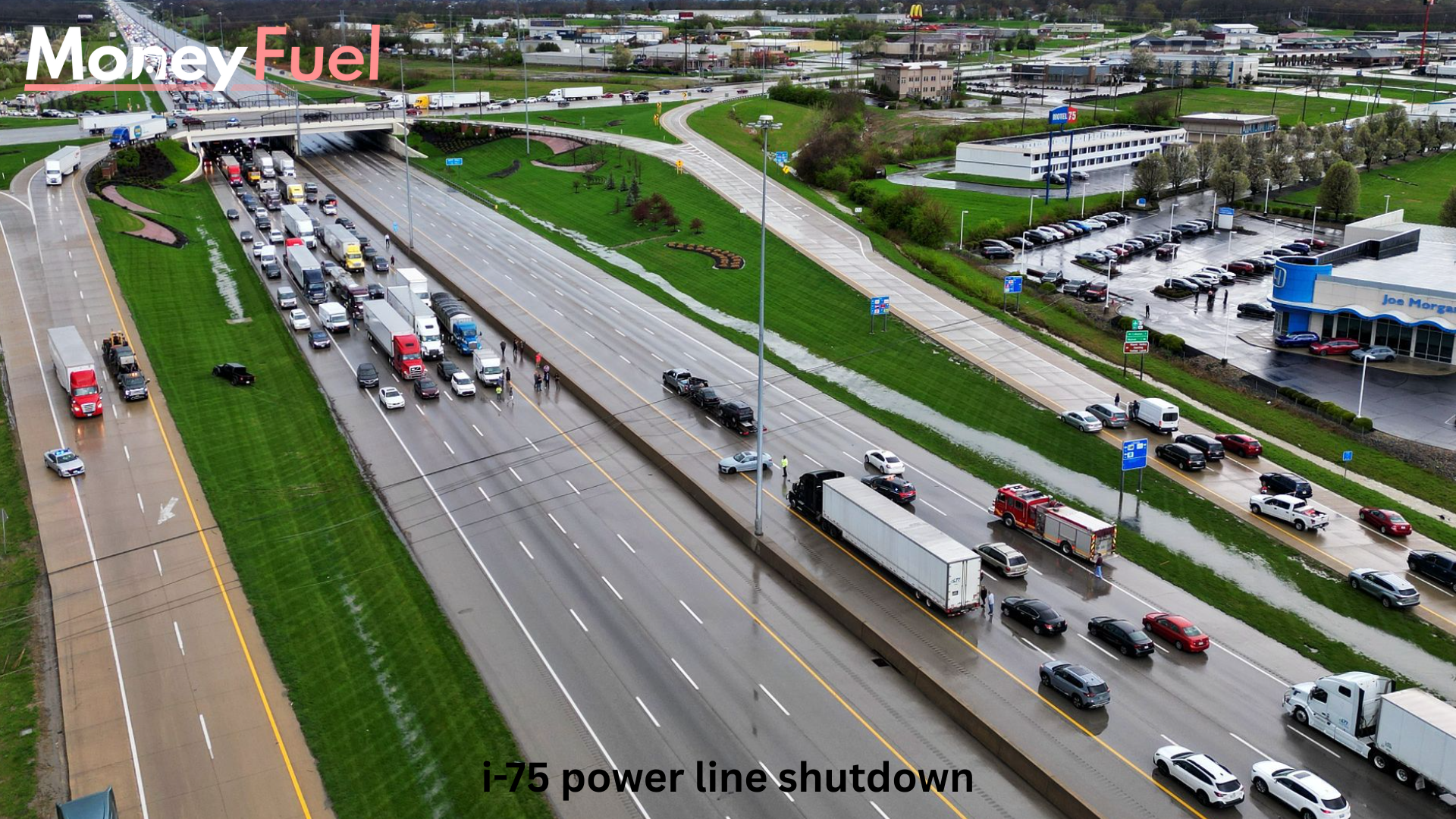
The i-75 power line shutdown has become a significant topic of concern for commuters, businesses, and regional transportation planners across states connected by this major interstate. Because millions rely on I-75 every day, any unexpected shutdown caused by power line repairs, upgrades, or emergencies can disrupt routines and raise safety questions. In the first 100 words, it is important to clarify that an i-75 power line shutdown does not simply refer to traffic congestion but to deliberate closures prompted by electrical infrastructure work. Understanding why these shutdowns occur, how long they typically last, and what drivers can do to stay prepared is essential for maintaining safety and minimizing delays during these events.
Understanding the Purpose of an I-75 Power Line Shutdown
An i-75 power line shutdown generally takes place when utility companies or state authorities need to repair, upgrade, or replace high-voltage lines that cross over or run alongside the interstate. These lines are often part of regional electrical grids that serve surrounding cities, industrial zones, and emergency facilities. When issues such as structural wear, storm damage, or required modernization are identified, a shutdown becomes necessary to guarantee worker safety. Since I-75 is a heavily traveled route that spans from Michigan to Florida, authorities must carefully plan these interruptions to prevent hazards while maintaining the integrity of the grid. A shutdown can be brief or extended, depending on the complexity of the repairs and environmental factors such as weather or site accessibility.
Why the I-75 Corridor Requires Special Shutdown Planning
The infrastructure along the interstate makes an i-75 power line shutdown more complex than similar projects on smaller roadways. Because I-75 is a major artery for freight transportation, any closure impacts shipping schedules and logistics operations. Planners must coordinate with trucking companies, emergency responders, state transportation departments, and utility crews to ensure the timing aligns with safety requirements and traffic management goals. For example, some shutdowns occur overnight to reduce the number of affected drivers, while others happen during off-peak daytime hours when visibility is better for workers. The need for precise timing, communication, and execution makes these shutdowns distinct from standard lane closures or temporary detours.
The Safety Risks That Lead to a Shutdown
At the heart of every i-75 power line shutdown is safety. High-voltage electrical lines pose risks not only to utility workers but also to drivers passing beneath them. If a line shows signs of weakness, sagging, corrosion, or instability, authorities may implement a shutdown to protect the public. Severe weather events—including hurricanes, high winds, ice storms, and lightning—can accelerate damage and create emergency situations requiring immediate action. In some cases, shutdowns are preventive measures designed to address aging infrastructure before it becomes hazardous. Because I-75 crosses multiple climates and geographical regions, it is susceptible to varied environmental pressures, making proactive safety checks essential for preventing catastrophic failures.
How Transportation Officials Manage the Shutdown Process
Effective management of an i-75 power line shutdown involves coordination between utility companies, state departments of transportation, highway patrol units, and local municipalities. Officials assess the affected area, determine the safest approach for creating a work zone, and develop detour plans that minimize congestion. Digital signage, GPS updates, and media announcements are often used to alert drivers in advance. When necessary, police presence helps with lane closures, speed control, and rerouting. These preparations ensure that the shutdown occurs smoothly and that crews have secure access to the electrical infrastructure without compromising public safety. The better the coordination, the shorter the disruption.
The Role of Modern Technology in Reducing Shutdown Durations
Technological advances play a growing role in managing i-75 power line shutdown events. Drones, smart sensors, and remote diagnostic systems allow utility crews to assess conditions before sending workers into the field. This reduces guesswork and enables more strategic planning. In some cases, temporary mobile power systems or grid rerouting technologies allow shutdowns to be shorter or more targeted. Digital mapping tools also support traffic planners by predicting congestion patterns and helping them design efficient detours. As more states adopt advanced monitoring systems for their electrical grids, the hope is that shutdowns will become less frequent and more predictable.
Economic Impacts on Local Businesses and Freight Operations
The economic impact of an i-75 power line shutdown is significant because I-75 is a major commercial route. Delays can affect delivery schedules, supply chains, and even local businesses that rely on steady traffic flows. A shutdown that lasts several hours can cost trucking companies thousands of dollars in lost time, fuel, and labor. Small businesses located near interchanges may also see reduced customer traffic during long detours. Although the shutdowns are necessary for public safety and electrical reliability, the economic ripple effect is substantial, making the timing and communication surrounding each event crucial.
How Drivers Can Prepare for an I-75 Power Line Shutdown
When an i-75 power line shutdown is announced, preparation becomes key to avoiding delays. Drivers should check official DOT websites, real-time traffic apps, and local news outlets for updates. Leaving earlier than usual or choosing alternate routes can help minimize frustration. Since many shutdowns occur during early morning or late evening hours, visibility and weather conditions should also be considered. Having a full tank of fuel, emergency supplies, and a reliable navigation system can help drivers stay safe during unexpected detours. Planning ahead can transform a stressful situation into a manageable inconvenience.
Lessons Learned from Past Shutdown Events
Past instances of i-75 power line shutdown situations have shown that clear communication and efficient planning significantly reduce the disruption. Some shutdowns were resolved quickly thanks to experienced crews and favorable weather, while others took longer due to outdated infrastructure or unexpected complications. Reviewing these events helps utility and transportation officials identify weak points in their processes. Improvements may include more advanced inspection methods, better scheduling strategies, or enhanced warning systems. Learning from past shutdowns ensures future operations are safer and more efficient.
Looking Ahead: Improving Infrastructure to Reduce Shutdown Needs
As states continue to modernize their electrical grids, the long-term goal is to reduce the frequency of major shutdowns, including those that affect I-75. Strengthening towers, replacing older lines, burying select cables, and integrating renewable energy sources can contribute to a more resilient infrastructure. Nevertheless, even the most advanced systems require periodic maintenance. This means that an i-75 power line shutdown will remain an occasional necessity, but ongoing improvements can help ensure these events are shorter, safer, and less disruptive. For drivers and businesses that rely on the interstate, the future looks more efficient as technology and planning continue evolving.
Conclusion
An i-75 power line shutdown may seem like a routine transportation inconvenience, but it plays a vital role in maintaining electrical safety and grid reliability along one of America’s busiest highways. These shutdowns protect both utility workers and the public while ensuring the regional power system stays strong. Although they can cause temporary delays, especially for commuters and freight operators, careful planning, modern technology, and clear communication help minimize the impact. By understanding why these events occur and how to prepare for them, drivers can navigate shutdowns with confidence and stay safe on the road.
FAQs
1. How long does an i-75 power line shutdown usually last?
Most shutdowns last a few hours, but complex repair work or severe weather can lead to extended closures.
2. What causes an i-75 power line shutdown?
Shutdowns typically occur due to maintenance needs, damaged lines, upgrades, or safety concerns along the electrical grid.
3. Can shutdowns be avoided with better technology?
Technology helps reduce frequency and duration, but essential repairs still require temporary closures.
4. How can drivers stay updated about a shutdown?
State DOT websites, navigation apps, news channels, and highway alert signs provide timely updates.
5. Does a shutdown affect electricity for nearby communities?
Not usually. Power is rerouted to minimize outages, though brief service interruptions may occasionally occur.
Read Also : Cybersecurity High Speed Internet US Navy: A Complete 2025 Overview
